proprietary methodology
for educational environment design

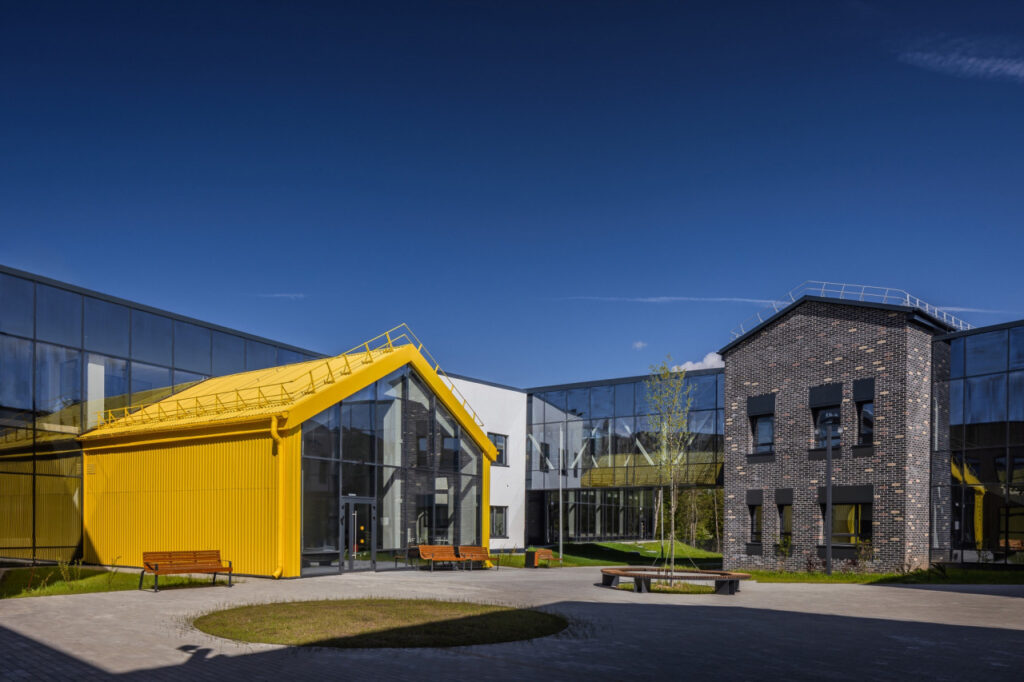
Improving the quality of education in Russia and beyond has become the studio’s social mission. Having developed such landmark projects as Letovo School, Quantum School in Astana, Bauman Engineering School No. 1580 in Moscow, and dozens of other educational projects recognized with various architectural awards and setting a new quality standard, ATRIUM undertook a comprehensive study of educational typology.
The research book “Architecture of Development. Methodology for Designing Modern Schools” systematizes twenty years of experience in designing educational facilities, explaining through the example of 30 leading schools in Russia and abroad the key approaches to creating diverse educational projects: large and small, public and private, standard and unique.
research
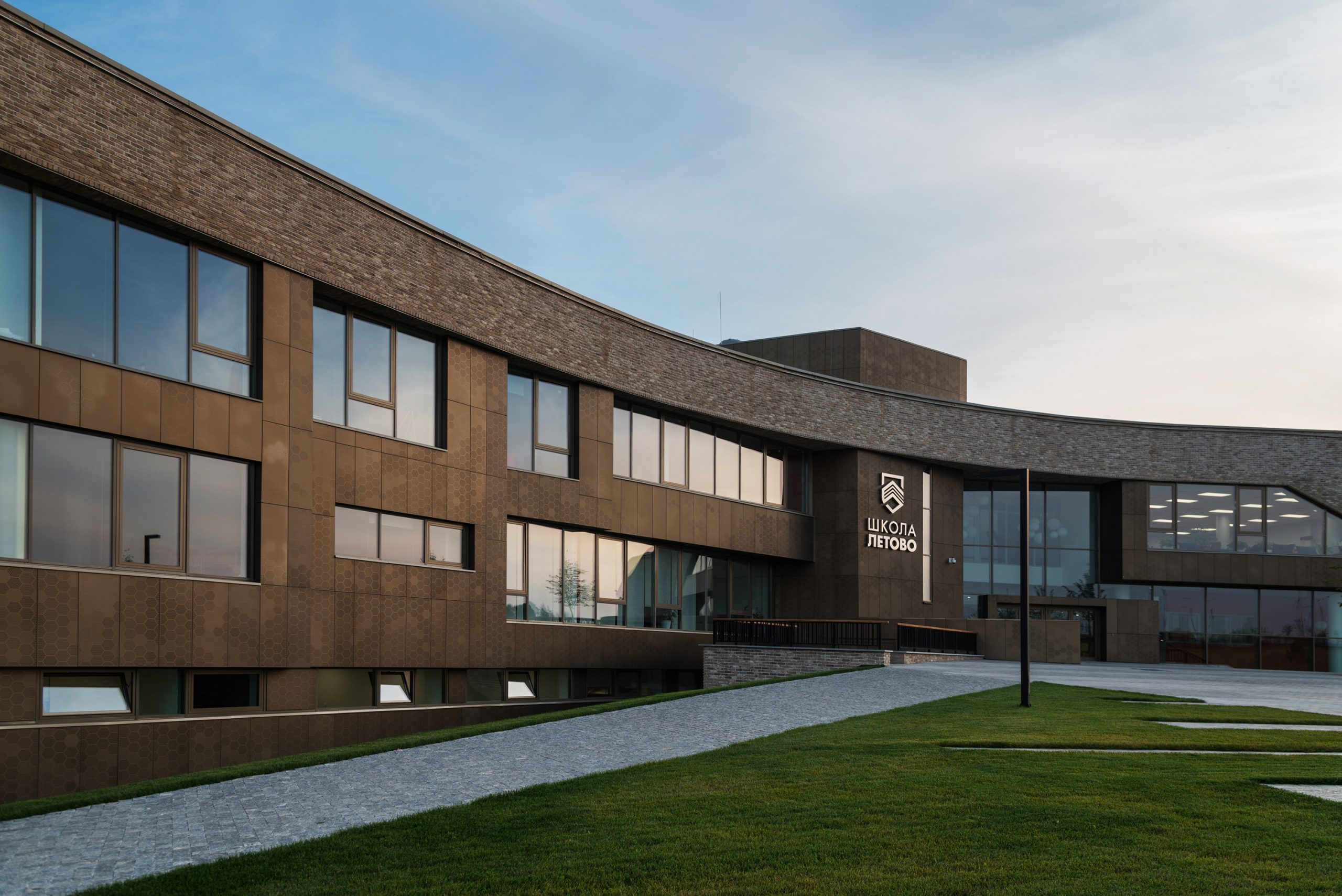

Letovo School
The boarding school for gifted children in New Moscow became a crucial experience for ATRIUM in working with a new typology. After Atelier PRO won the architectural competition, ATRIUM studio served as co-author of the project on the Russian side and as general designer during implementation.
Having studied international experience, ATRIUM proposed making the educational process more interactive and engaging. The spatial structure of Letovo School adapted for the first time in Russia international principles of school construction: multifunctionality, openness, flexibility, and environmental diversity.
Letovo School welcomed its first students in 2018 and almost immediately became #1 in the global ranking of schools teaching the International Baccalaureate (IB) program.
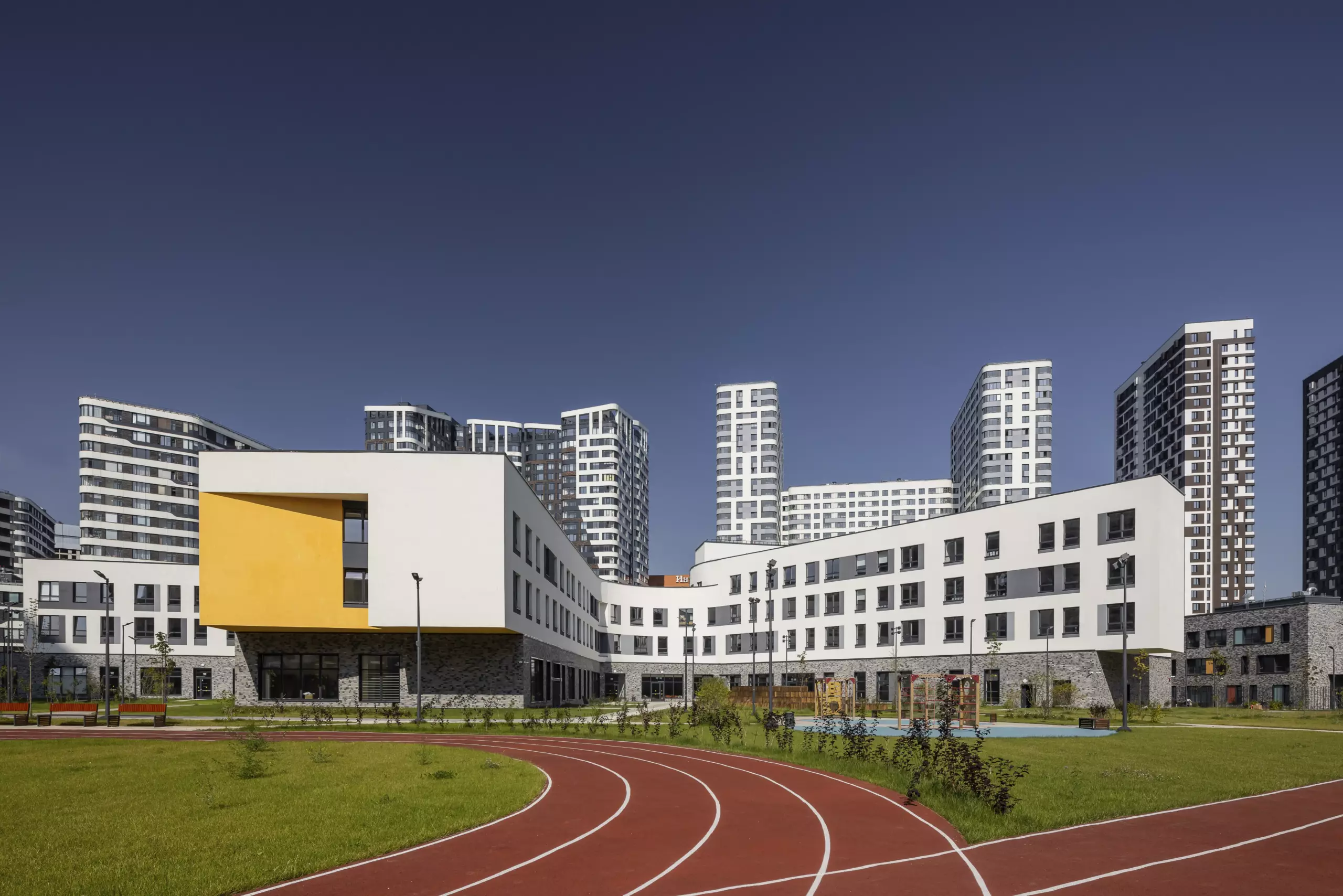
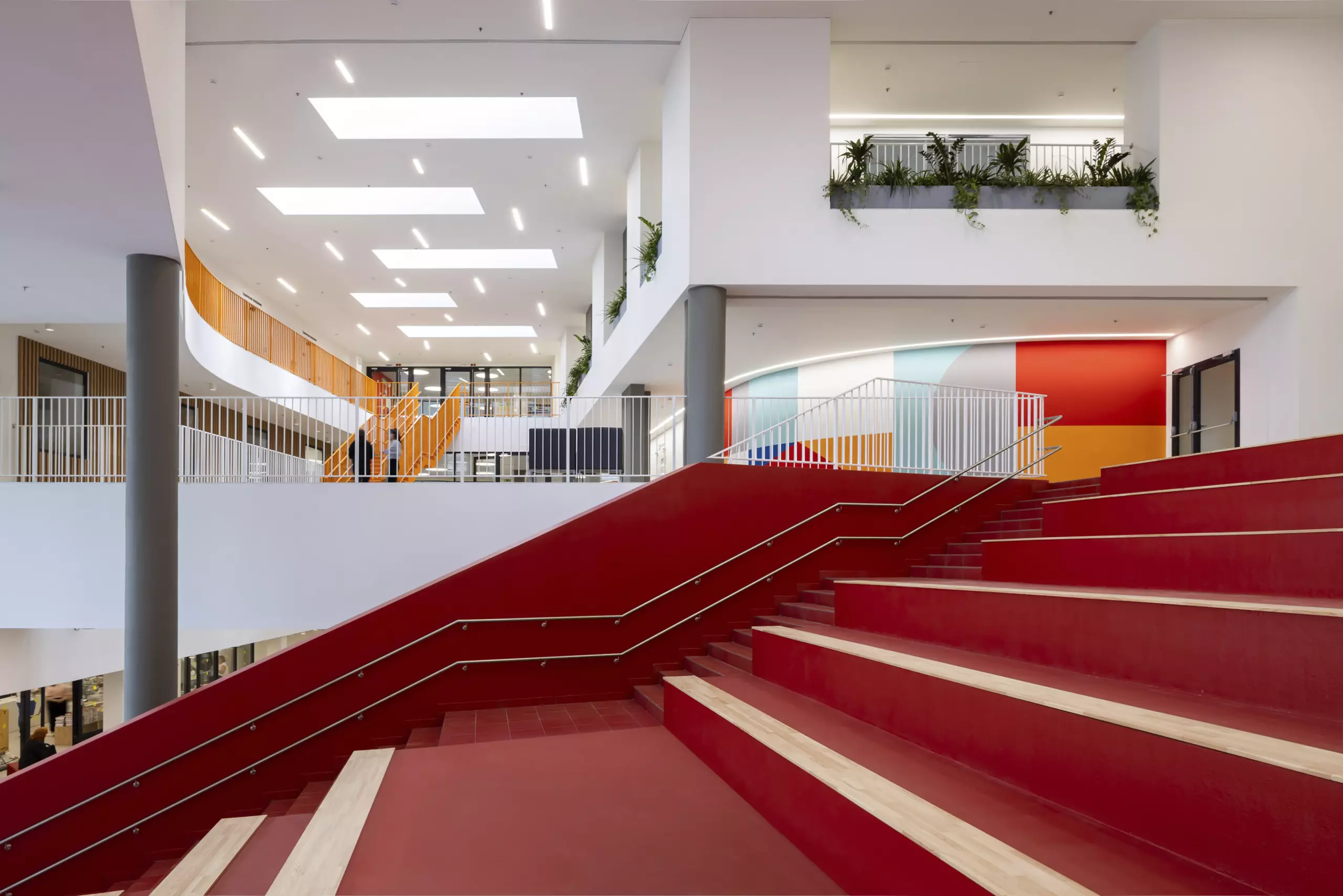
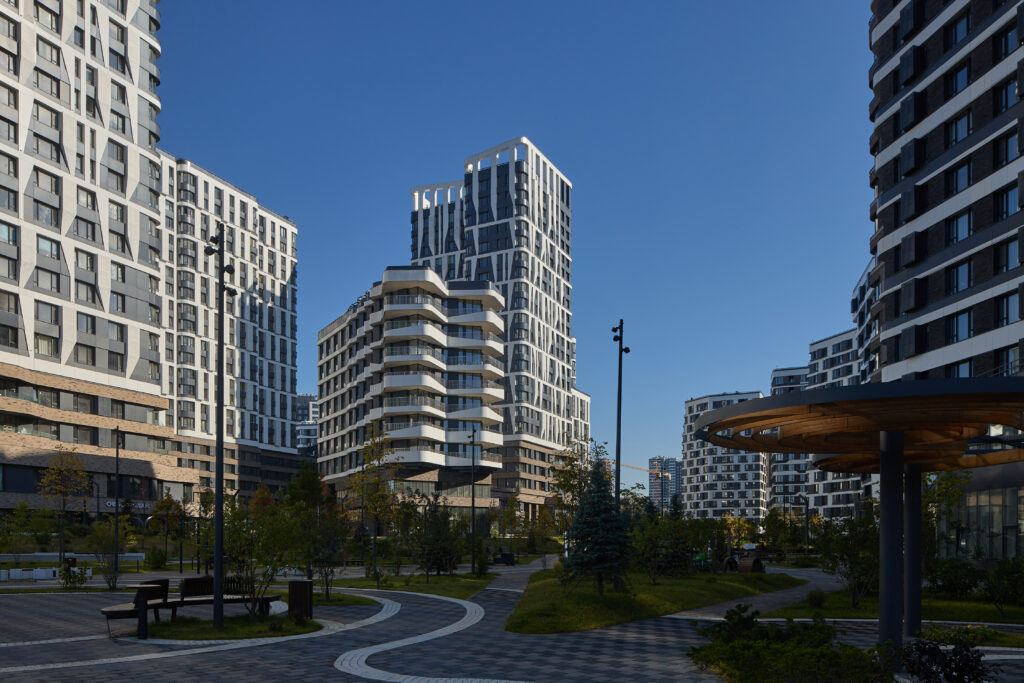
Bauman Engineering School No. 1580 in the new Symbol district
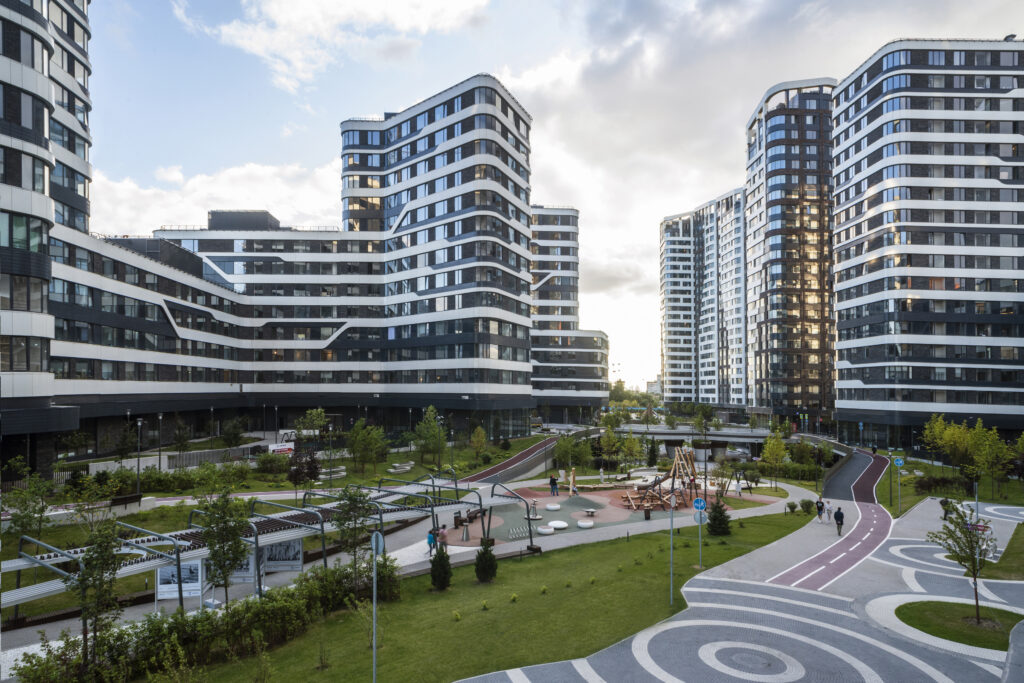
The school in the Symbol residential district is a unique example of working with an educational facility as a community center for the district. Thanks to the most modern approaches to organizing educational space, the school that opened in 2023 in the new Symbol district immediately became one of Moscow’s best schools.
The central element of the interior organization became permeable recreation areas with abundant natural light, which positively influenced the formation of internal communities and student engagement in school life.
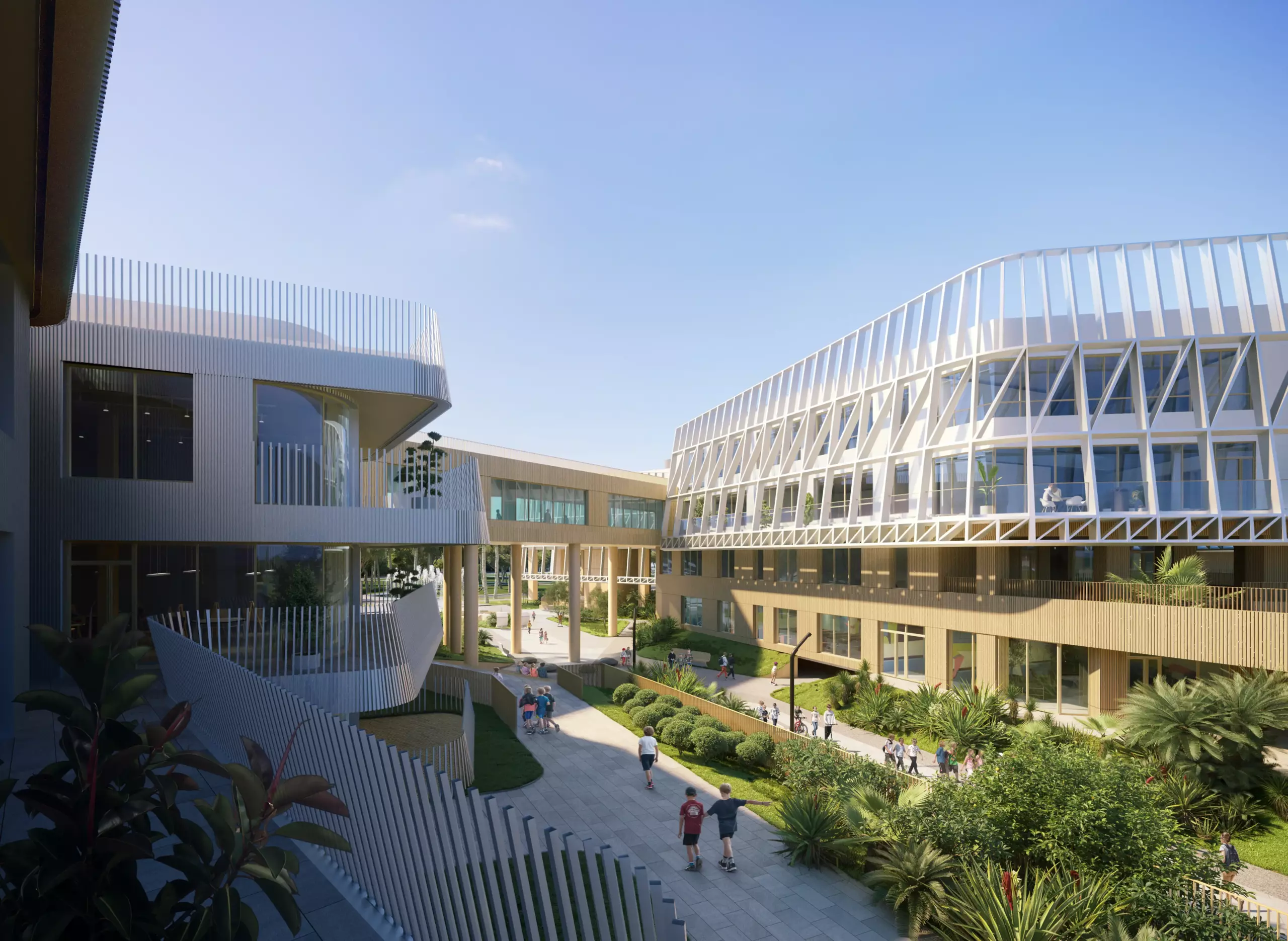
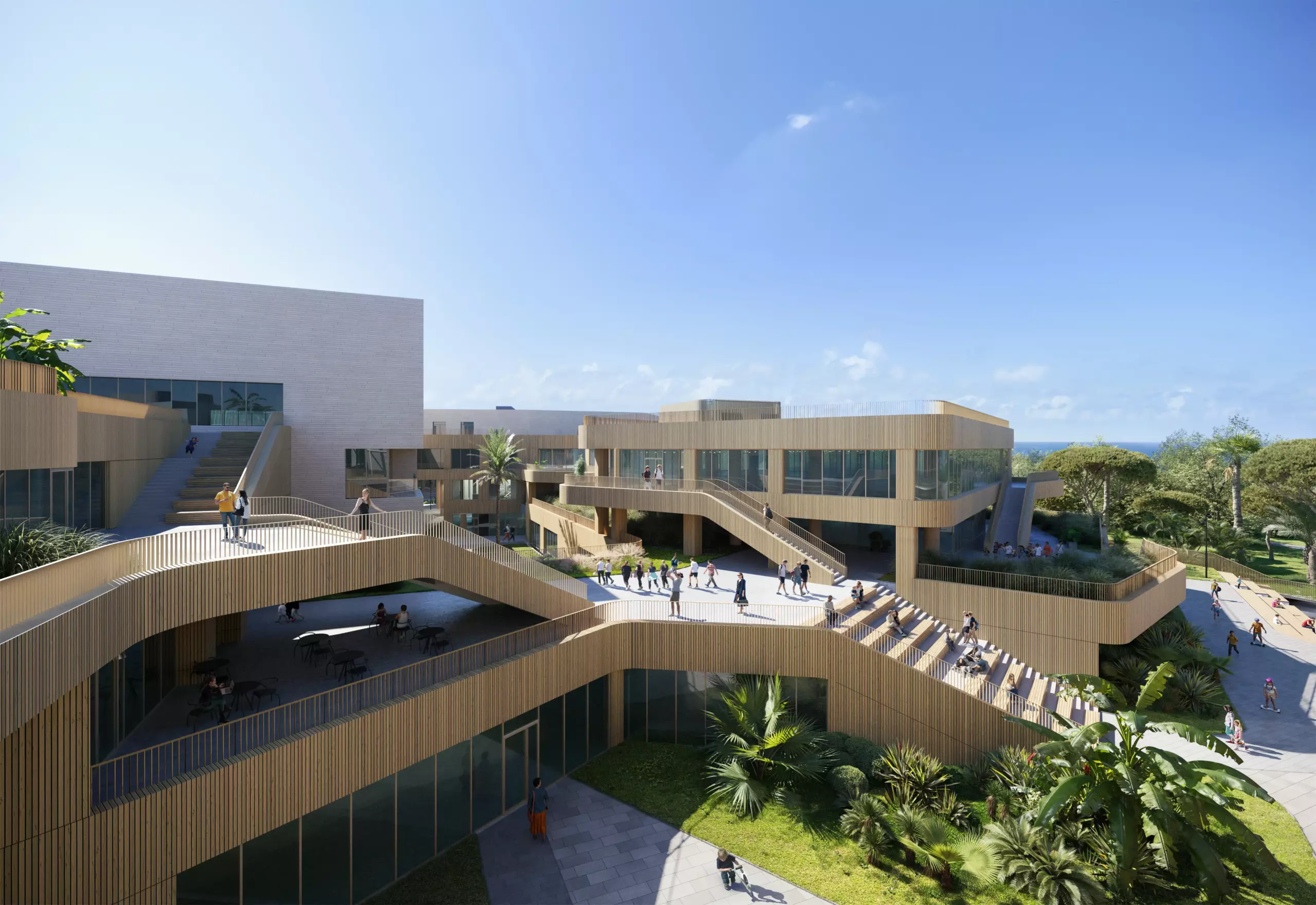
Sirius Educational Complex
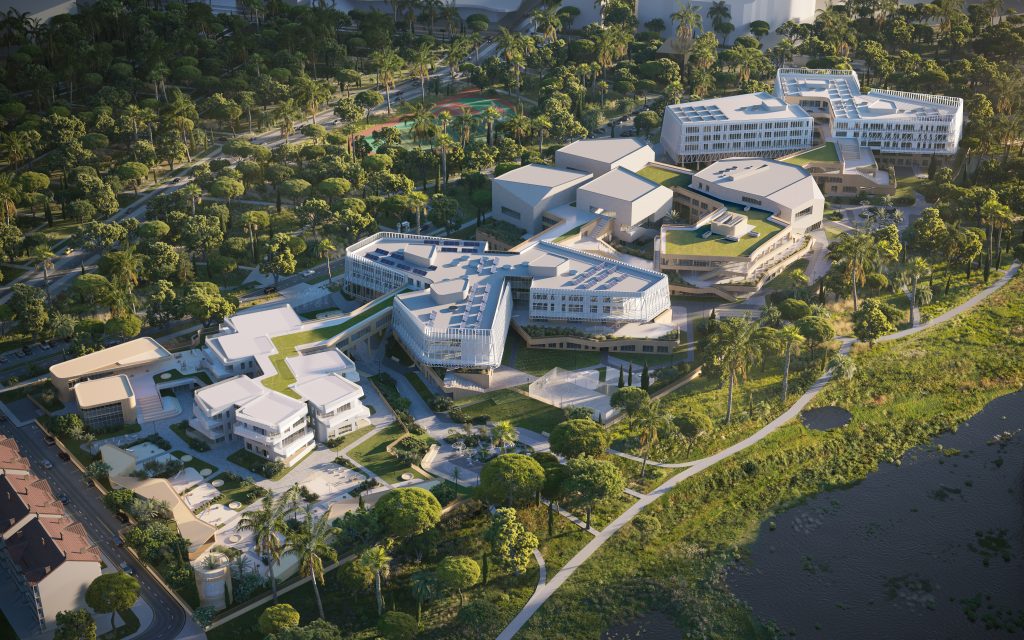
One of the most recent examples of creating the most favorable conditions for unlocking students’ potential is the project for a large-scale educational complex in the federal territory of Sirius in the Sochi agglomeration.
In the ATRIUM project, an approach was applied treating the school as a mini-city, dividing the large volume into smaller functional blocks organized into a unified system based on principles of spatial complexity, visual openness, and typological diversity: internal streets, squares, and green oases visually connected to the exterior.


news
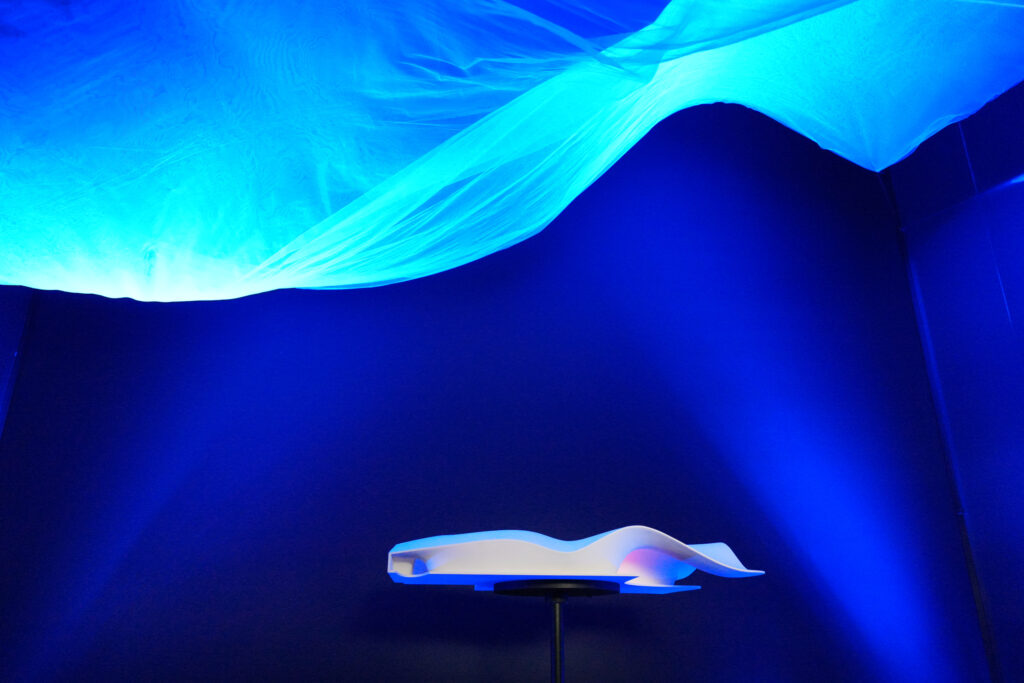
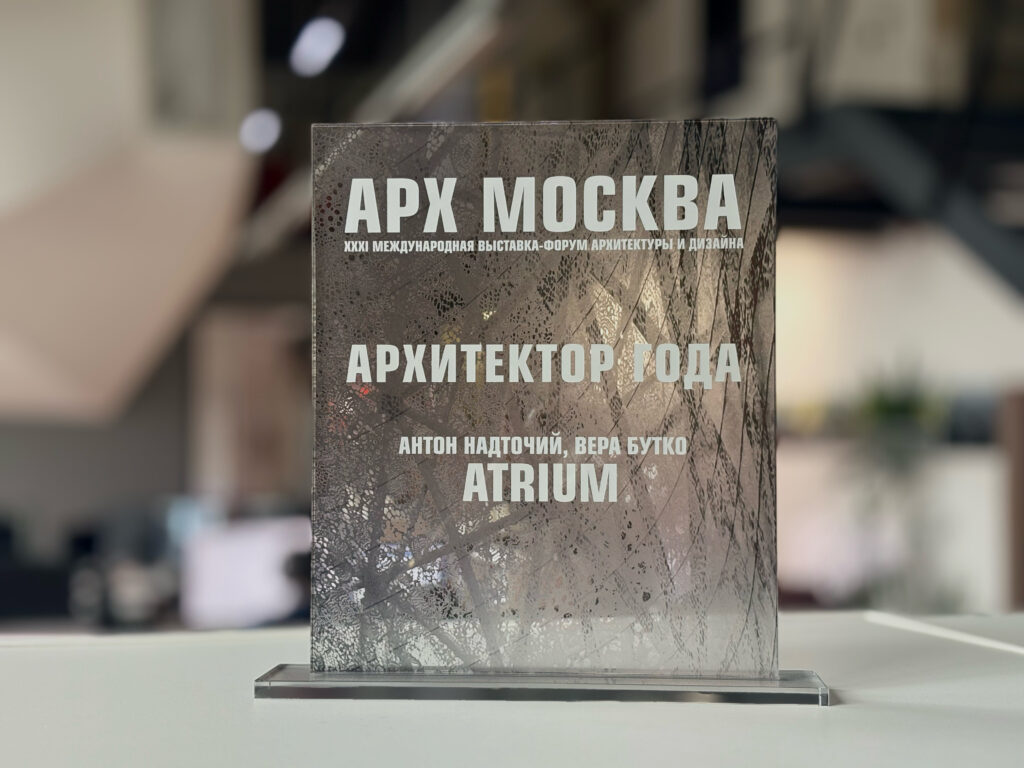
ATRIUM’s pavilion wins best exhibition at ARCH Moscow
12 years of ATRIUM’s work on Symbol residential district